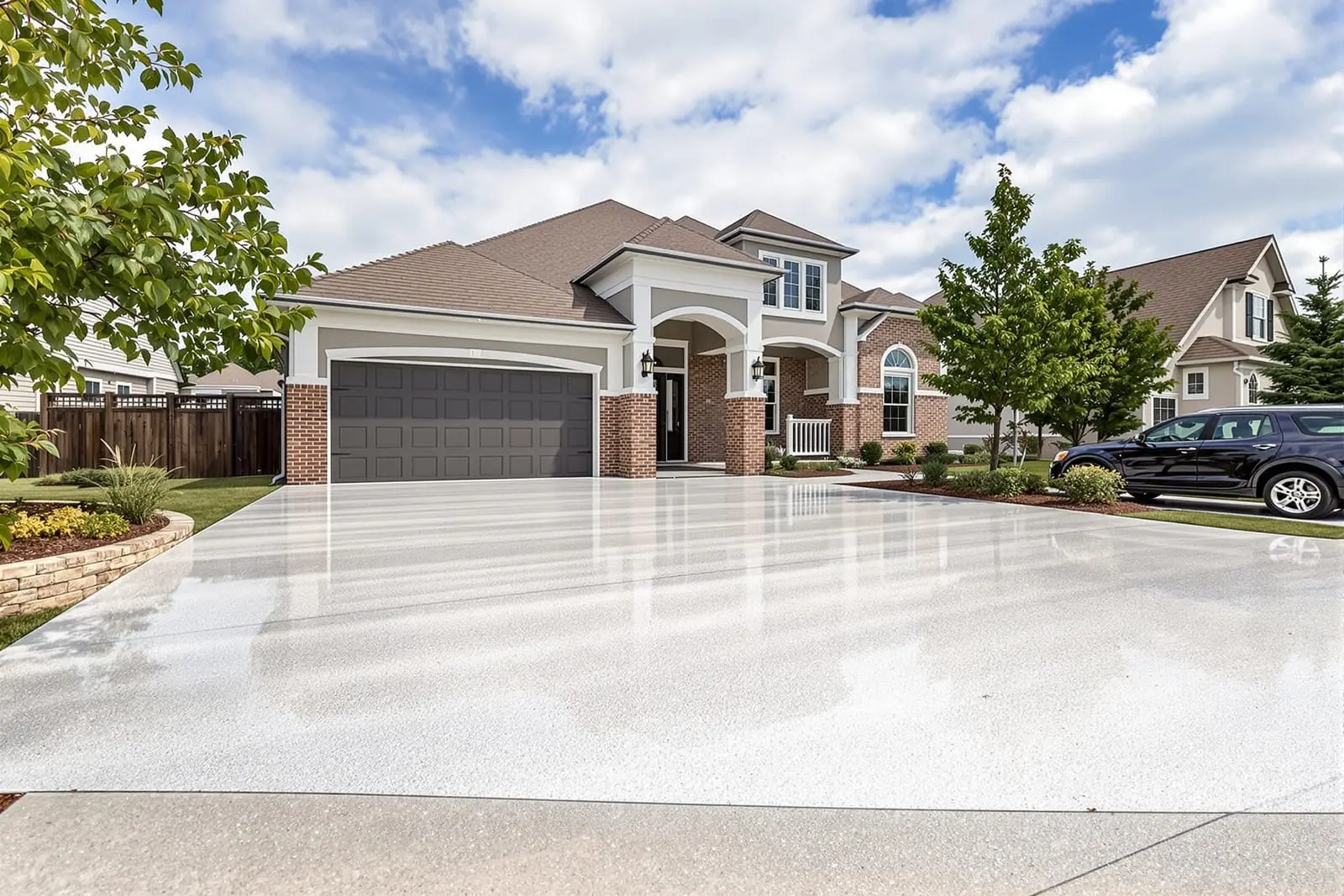
Keep your facility safe with commercial concrete repair in Port Charlotte, FL. We correct spalling, joint damage, and settlement in loading areas, sidewalks, and parking lots. Resurfacing options can renew large areas without full replacement, reducing disruption to your operations.
Primetime Concrete Port Charlotte provides professional commercial concrete repair throughout Port Charlotte, FL and the surrounding area. Our licensed, insured crew delivers safe, clean, on-time work with a free estimate before anything begins. Call (941) 206-9836 or request your free quote.
Commercial Concrete Repair Pros Serving Port Charlotte Businesses
If you manage a commercial property in Port Charlotte, you probably notice concrete problems long before anyone else does. Trip hazards at walkways, cracked loading docks, spalled warehouse floors, or worn drive lanes all create safety, liability, and curb appeal issues. Primetime Concrete Port Charlotte focuses on commercial concrete repair and resurfacing that keeps your site safe, open for business, and looking professional.
We work with retail centers, medical offices, restaurants, industrial facilities, condo and HOA communities, churches, and small offices throughout Port Charlotte, Punta Gorda, North Port, and nearby areas. Our team understands the mix of coastal weather, afternoon storms, and heavy traffic that beats up commercial concrete in Charlotte County. That local experience helps us recommend repairs that actually hold up here, not just look good on day one.
Instead of pushing full replacement every time, we evaluate whether repair or resurfacing will solve the problem at a lower cost and with less disruption to your business. We can usually schedule work around your operating hours, phase large projects, and keep access open for customers, delivery trucks, or patients while repairs are underway.
Common Commercial Concrete Problems We Fix in Port Charlotte
Most of the commercial concrete repair calls we get in Port Charlotte fall into a few patterns. Sidewalks and ADA routes settle or heave, especially around tree roots or older utility trenches. That creates raised edges and uneven panels that can cause trips. Parking lots and drive lanes develop potholes at dumpster pads, entrances, and tight turning areas where trucks grind the surface. We also see loading docks with broken slab edges and chipped dock leveler pockets from repeated impact.
Humidity and salt in the air are tough on older concrete. Over time you may see surface scaling, where the top layer flakes off, or exposed aggregate that looks rough and patchy. In covered entries or breezeways, smooth concrete can become slippery when wet, which is a maintenance and liability issue for property managers. Warehouse and shop floors often show long cracks that collect dust, forklift vibrations that chip joint edges, and oil-stained, pitted surfaces that are tough to keep clean.
We also get a lot of resurfacing requests from owners who are not happy with previous quick fixes: mismatched patches that stand out in front of stores, thin overlays that started peeling, or decorative coatings that hot tires lifted in the first summer. When we inspect these, we often find poor surface prep or the wrong product for our climate. Part of our job at Primetime Concrete Port Charlotte is to explain what went wrong and lay out a repair plan that will not repeat the same failure a year later.
How Our Commercial Concrete Repair & Resurfacing Process Works
Every project starts with a site visit, not just pictures. We walk the property with you, identify safety priorities, and listen to how areas are used during the day. A cracked sidewalk outside a quiet side entrance can be repaired differently than the main ADA route in front of a medical office that needs minimal downtime.
Next, we diagnose the cause of the damage. For example, a cracked slab near a downspout may be moving because of water washing out the base, while a broken dumpster pad edge is usually pure impact and weight. The underlying cause affects which repair makes sense. We check slab thickness where possible, look for hollow or delaminated spots with a hammer tap test, and note drainage patterns so we do not trap water against buildings or curbs.
Surface preparation is critical. We typically sawcut damaged areas to clean, straight lines, remove loose material, and mechanically profile the remaining concrete using grinding or shot blasting. For resurfacing large areas like walkways or entries, we bring the entire surface to a consistent profile so new material bonds evenly. Oil-contaminated concrete, common in parking lots and shop floors, is degreased and sometimes given a deeper mechanical profile so overlays or patch materials can grab securely.
For structural repairs, such as broken slab sections or badly settled panels, we may cut out and replace sections with new, properly reinforced concrete, tie into existing steel when needed, and compact the base. For non-structural issues like surface scaling, minor pitting, or cosmetic wear, we use industrial repair mortars, polymer-modified overlays, or microtoppings designed for commercial traffic. Joints are cleaned and refilled with semi-rigid joint filler where forklifts run, or with flexible sealants for sidewalks that need movement capability.
After the repair or resurfacing, we focus on protection and performance. That might mean applying a sealer rated for UV and tire traffic on exterior slabs, a slip-resistant finish texture at entryways, or a heavy-duty coating system for warehouse floors. We walk you through curing times so you know exactly when foot traffic, carts, and vehicles can safely return.
Material Options, Cost Drivers, and Timelines
Commercial concrete repair and resurfacing covers a wide range of materials, and the right choice depends on use, appearance goals, and budget. For basic safety repairs on sidewalks and common areas, we often use high-strength patch materials and thin resurfacing overlays that restore a uniform texture and color. If you want a more finished look at main entrances or customer patios, we can use decorative overlays with stained or colored finishes that mimic stone or give a modern, broomed, or salt finish look, all without tearing out the entire slab.
In high-traffic or specialized environments, like restaurant patios, auto shops, or warehouse aisles, we may recommend epoxy or polyaspartic coatings, or thicker polymer-modified overlays that resist hot tires, chemicals, and abrasion. These materials generally cost more upfront but can significantly extend the life of the slab and reduce maintenance. For heavily damaged or moving slabs, we sometimes combine partial replacement with resurfacing so you get a structurally sound base and a consistent finished surface.
Several factors drive cost: the size of the area, thickness of repairs or overlays, amount of prep work needed (removing old coatings, failed overlays, or contaminated concrete), accessibility for our equipment, and whether work must be done at night or in tight time windows. For example, resurfacing a large but open parking area with daytime access will typically cost less per square foot than a small entry that must be done after hours in multiple phases. In Port Charlotte, drainage fixes like adding small valley sections or adjusted slopes may add some cost but prevent repeat damage from our frequent heavy rains.
Most smaller commercial repairs, such as a few broken sidewalk sections or a drive lane patch, can be completed in one day with a short curing period. Larger resurfacing jobs on plazas, pool decks, or shopping center walkways may take several days from prep through final sealers. Primetime Concrete Port Charlotte will outline a detailed schedule so you can notify tenants, set up temporary signage, and keep people moving safely around the work area.
Planning Your Project and Working With Primetime Concrete Port Charlotte
If you are considering commercial concrete repair, a good first step is to walk your property with a short checklist in mind: look for trip hazards over a quarter inch, wide cracks that catch wheels, ponding water after storms, worn paint markings in loading areas, and spalled or broken slab edges. Taking clear photos and noting how each area is used (pedestrians, carts, forklifts, delivery trucks) will help us give you an accurate, site-specific plan.
When you contact Primetime Concrete Port Charlotte, we will ask about your business hours, peak traffic times, and any non-negotiable access needs, like ambulance routes at medical facilities or delivery windows for grocery stores. This information shapes our phasing plan. For many properties, we schedule work in sections and set up cones, tape, and directional signs so customers and staff can move around the work without confusion.
We are also straightforward about what is worth repairing and what is better to replace. In some cases, especially very thin or badly undermined slabs, full replacement of a small area can be more economical and reliable than trying to patch it repeatedly. In other areas, a resurfacing system over sound concrete saves significant time and money. Our goal is long-term value, not selling the most expensive option.
Before any work starts, we provide a written proposal that describes the specific repair or resurfacing methods, products, and expected lifespan, along with traffic reopening times. During the job, you get a single point of contact who can update tenants or facilities staff as phases are completed. Afterward, we can recommend simple maintenance steps, like cleaning schedules and resealing intervals, to keep your repaired concrete performing in Port Charlotte’s coastal climate for years.
If you would like to schedule an on-site evaluation or discuss options for your property, the team at Primetime Concrete Port Charlotte is ready to help you map out a clear, practical plan.
“
Professional commercial concrete repair & resurfacing, done right the first time, quality materials, honest pricing, and results that last.
Primetime Concrete Port Charlotte
Commercial Concrete Repair & Resurfacing Across Our Service Area